
Best Timing for Hot Tub Repairs
Timing is crucial for effective hot tub repairs. The optimal period depends on climate, usage patterns, and maintenance schedules. Generally, late spring and early fall are ideal for repairs, as they allow for preparation before peak usage seasons and provide sufficient time for repairs to be completed before heavy use begins.
Performing repairs during milder weather minimizes disruptions and reduces the risk of weather-related delays. Additionally, addressing repairs promptly when issues are first noticed can prevent more extensive damage and higher costs later.
Repairs are best scheduled during moderate weather months to ensure accessibility and proper curing of repairs.
Timing repairs before peak usage seasons helps maintain optimal operation and user satisfaction.
Regular inspections can identify issues early, allowing repairs to be scheduled at convenient times.
Immediate repairs should be performed as soon as issues are detected, regardless of season, to prevent further damage.

Spring offers mild weather ideal for repairs, ensuring minimal weather-related disruptions.
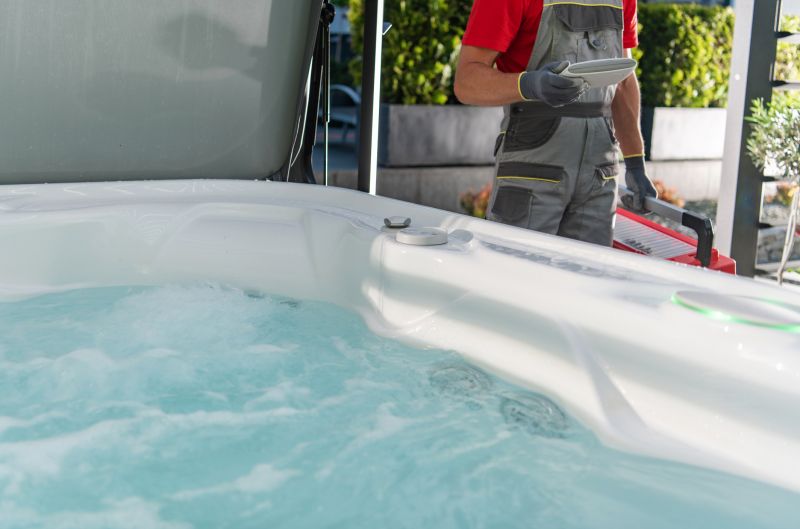
Fall is suitable for repairs to prepare hot tubs for winter and ensure readiness for next season.
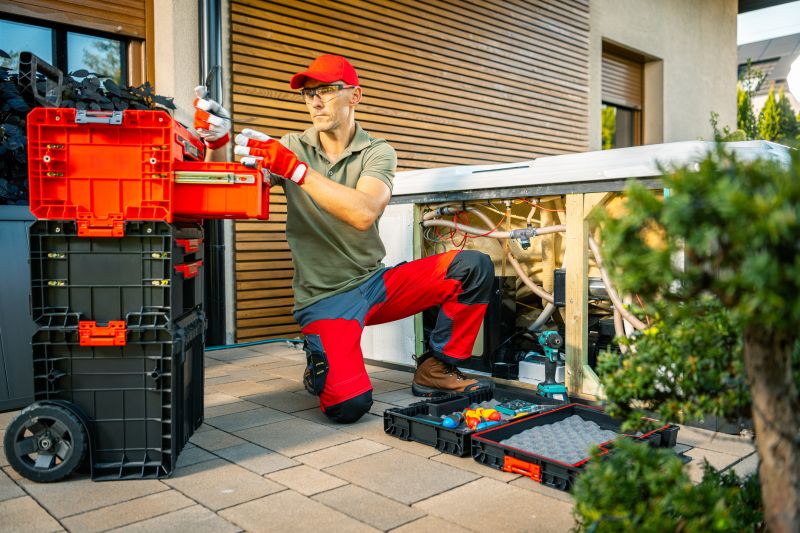
Immediate repairs are necessary when issues arise unexpectedly, regardless of the season.
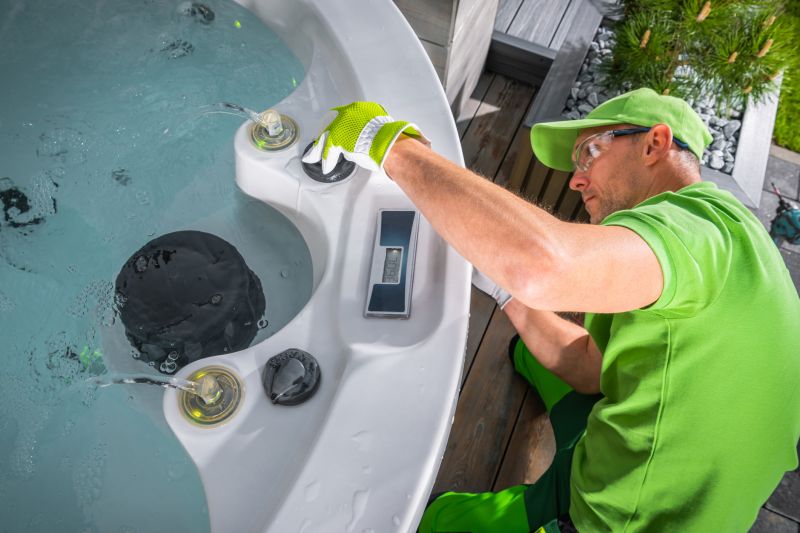
Ways to make Hot Tub Repairs work in tight or awkward layouts.
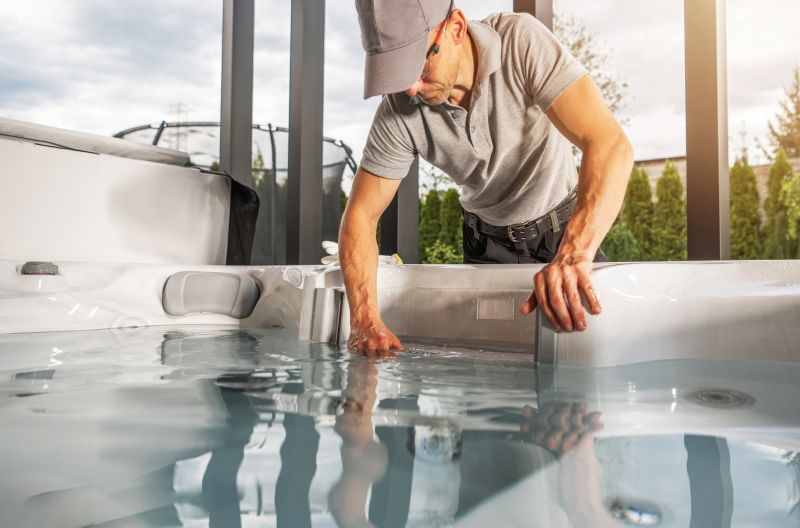
Popular materials for Hot Tub Repairs and why they hold up over time.
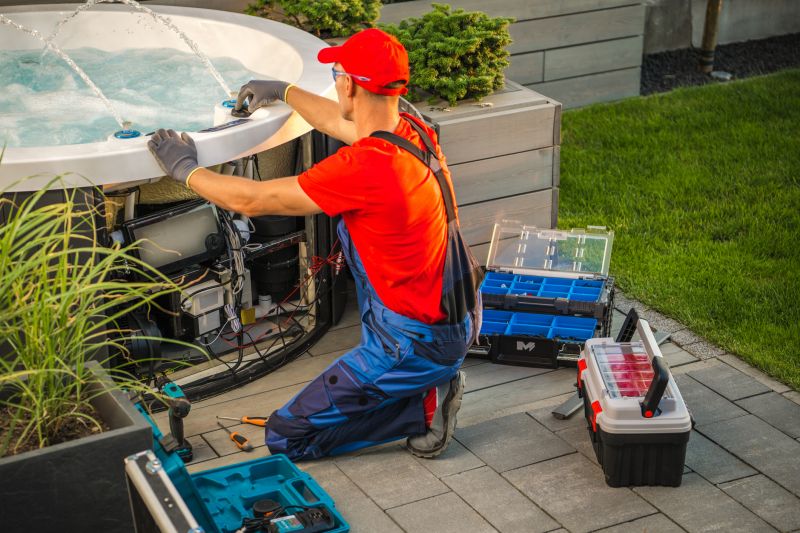
Simple add-ons that improve Hot Tub Repairs without blowing the budget.
| Optimal Repair Timing | Key Considerations |
|---|---|
| Late Spring | Ideal weather, before peak usage |
| Early Fall | Prepares hot tub for winter and next season |
| Off-Peak Seasons | Less busy periods for scheduling |
| Post-Usage Inspection | Identify issues early |
| Weather Forecast | Avoid repairs during storms or extreme cold |
Hot tub repairs encompass a variety of services, including fixing leaks, replacing faulty components, and addressing electrical issues. Proper timing ensures repairs are effective and minimize downtime. Routine inspections can detect early signs of wear or damage, helping schedule maintenance at appropriate times. Statistics indicate that addressing issues early can reduce repair costs by up to 30% and extend the lifespan of hot tubs significantly.
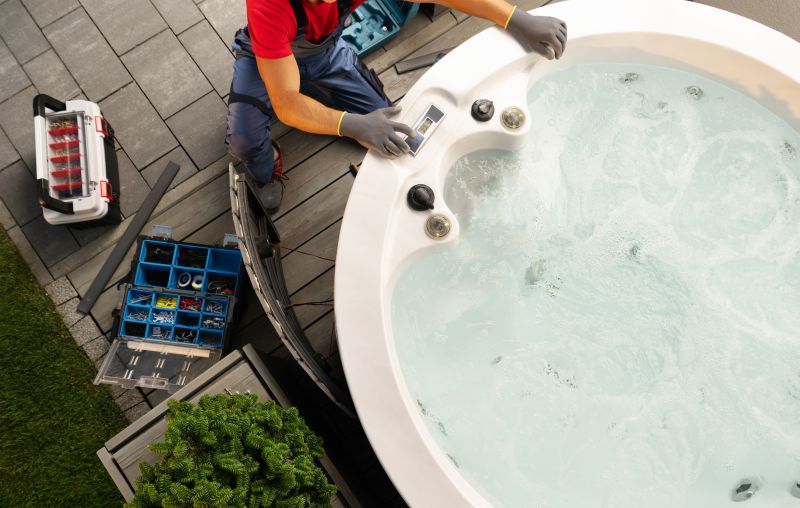
Identifying and fixing leaks promptly prevents water loss and structural damage.
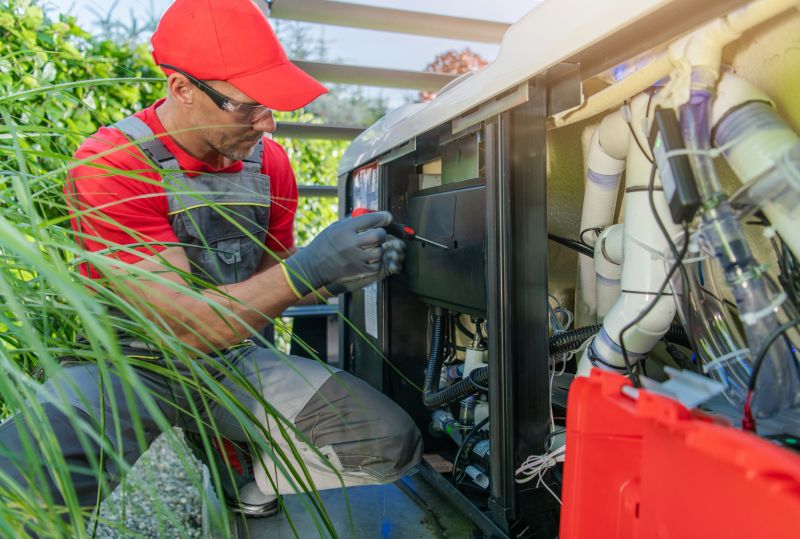
Replacing worn-out parts ensures continued safe operation.
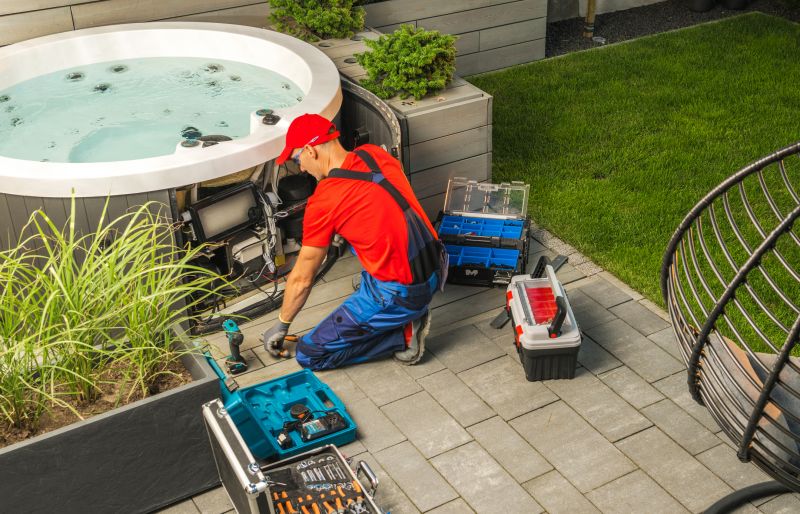
Electrical repairs are critical for safety and functionality.
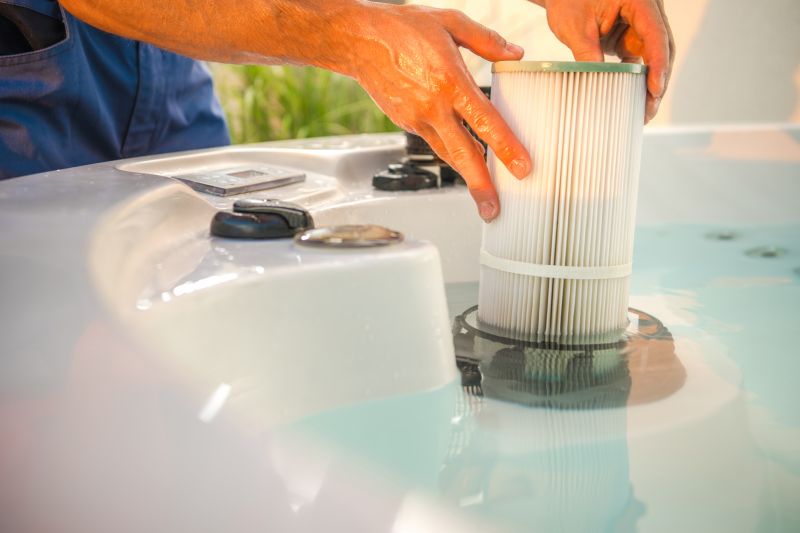
Maintaining filters and pumps optimizes water quality and circulation.
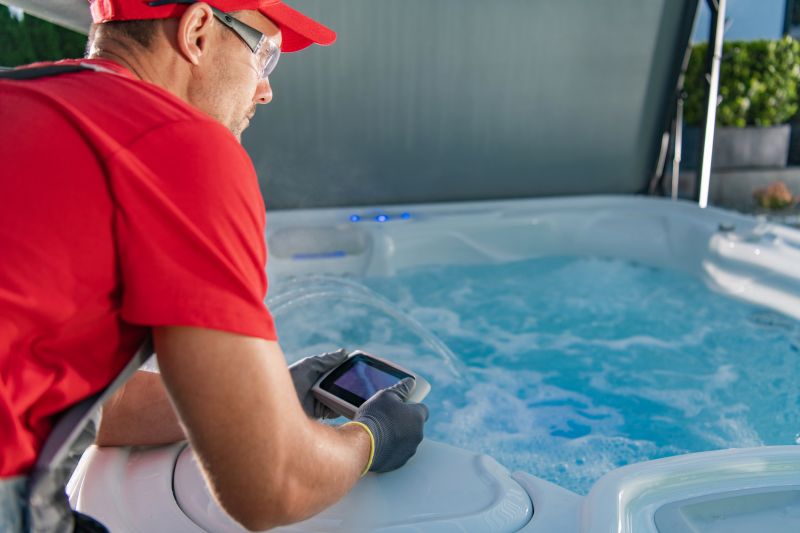
High-end options that actually feel worth it for Hot Tub Repairs.
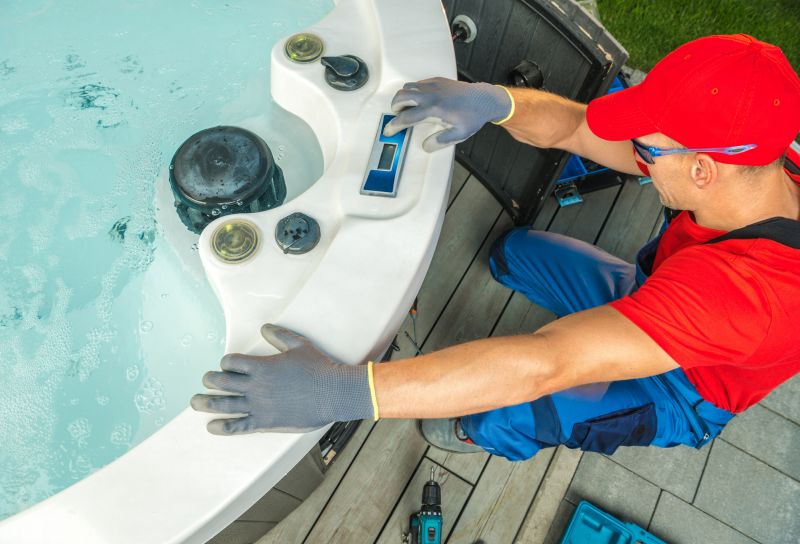
Finishes and colors that play nicely with Hot Tub Repairs.
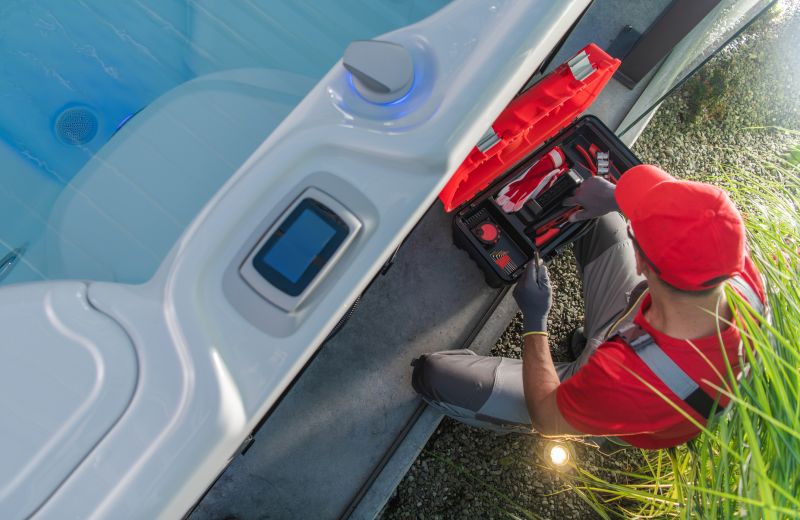
Little measurements that prevent headaches on Hot Tub Repairs day.
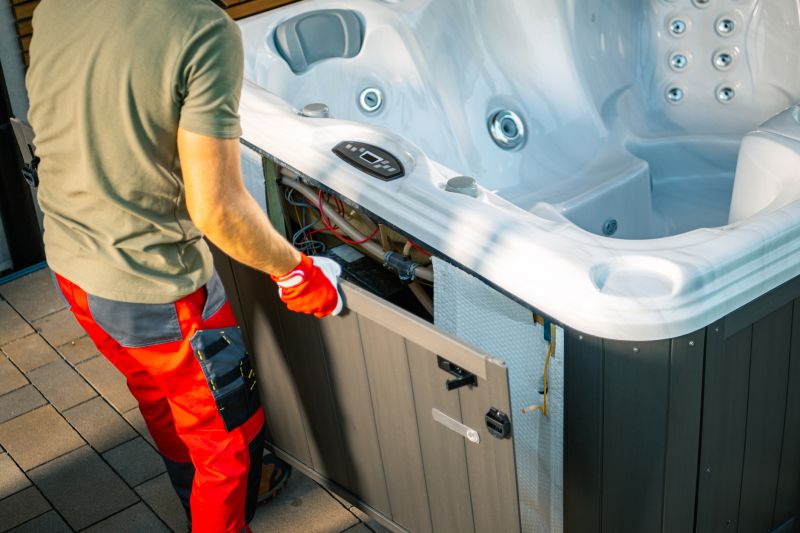
A 60-second routine that keeps Hot Tub Repairs looking new.
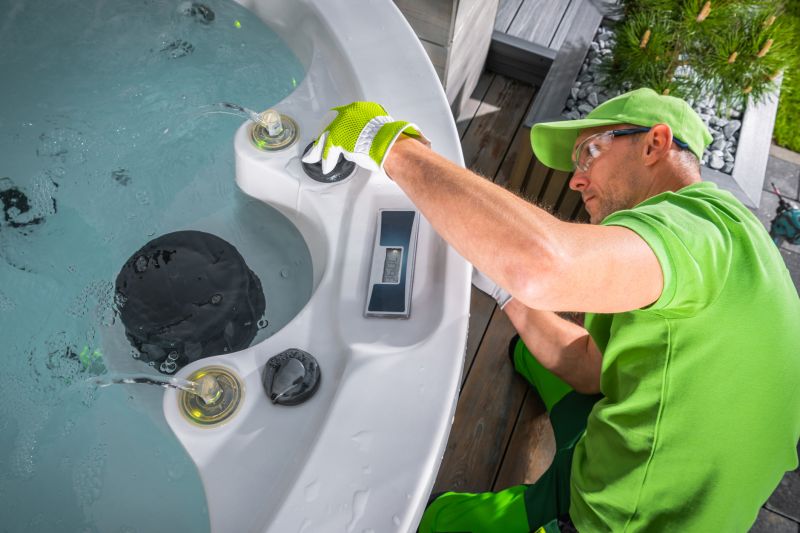
A frequent mistake in Hot Tub Repairs and how to dodge it.
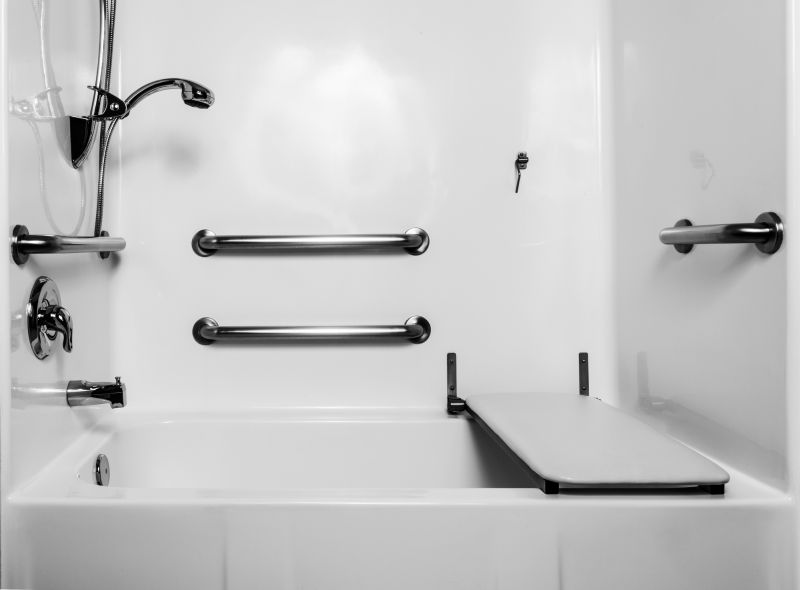
Small tweaks to make Hot Tub Repairs safer and easier to use.
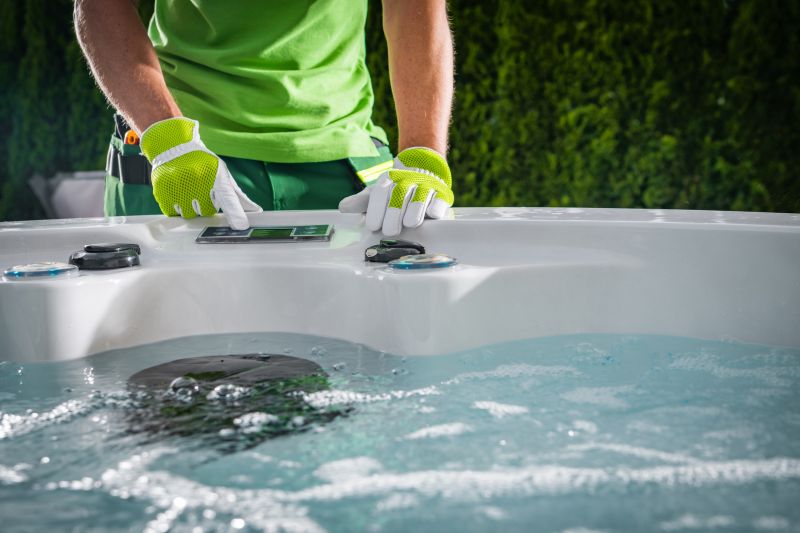
Lower-waste or water-saving choices for Hot Tub Repairs.
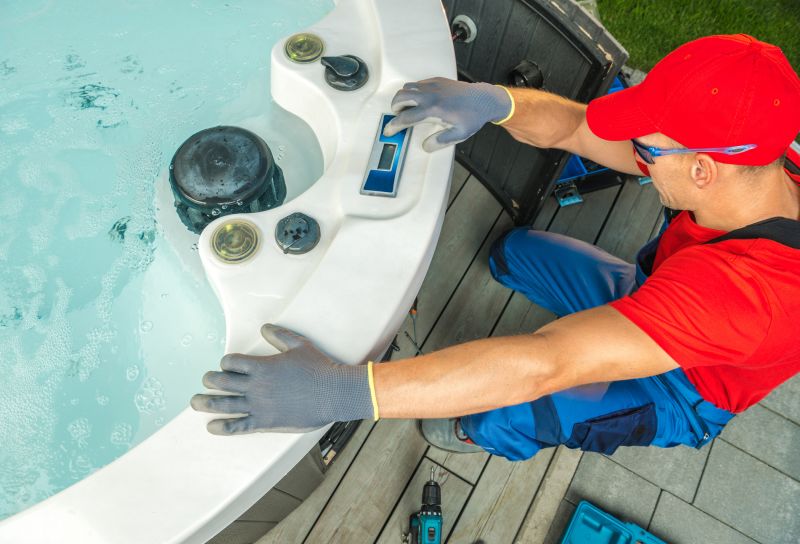
The short, realistic tool list for quality Hot Tub Repairs.
Timely hot tub repairs contribute to safety, efficiency, and longevity. Addressing issues as soon as they are identified can prevent costly damage and ensure the hot tub remains operational during peak seasons. Proper planning and regular inspections support effective maintenance strategies, reducing downtime and enhancing user experience.
Interested in scheduling repairs? Fill out the contact form to get started.